
The March ’26 Blizzard on the Homestead
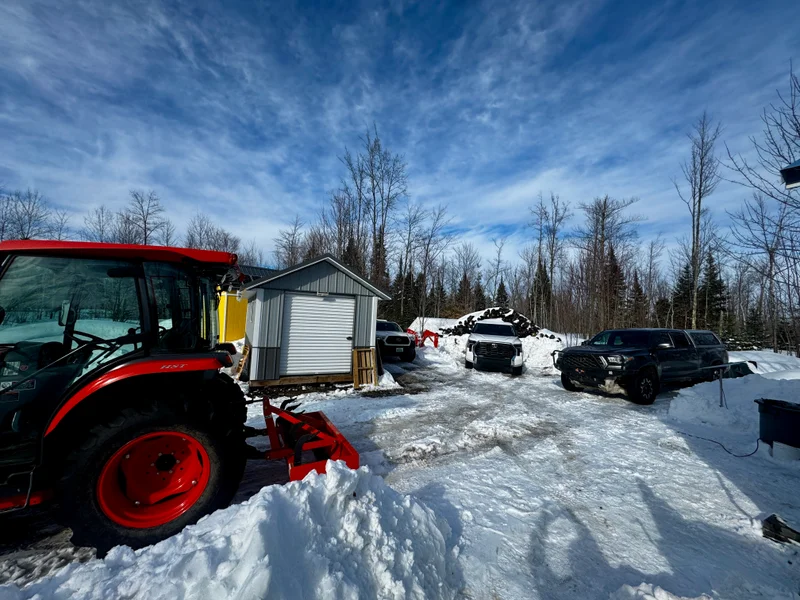
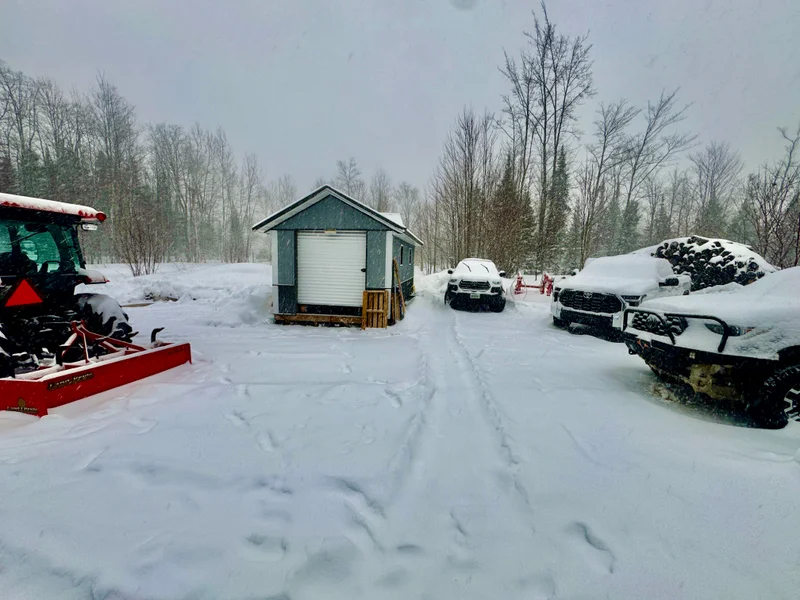
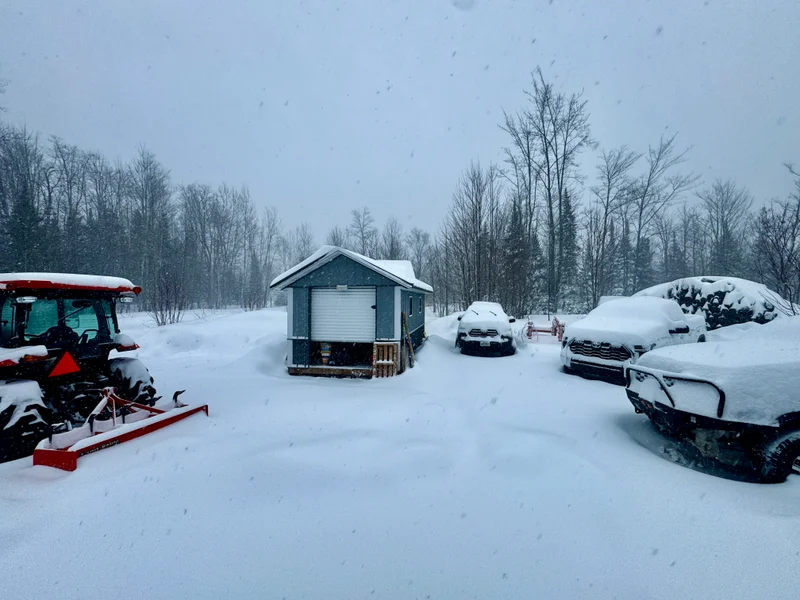
We were planning for spring, but winter wasn’t finished with us
I was planning to write about the plants and animals we’re bringing onto the property this spring, but the weather made things interesting. By the time we realized this wasn’t just another snowfall, we were already shifting our focus to checking fuel, water, food, and making sure everything was where it needed to be. Living off-grid means we’re responsible for these things every day. This was just that same responsibility, turned up a few notches.
Seeing It Coming
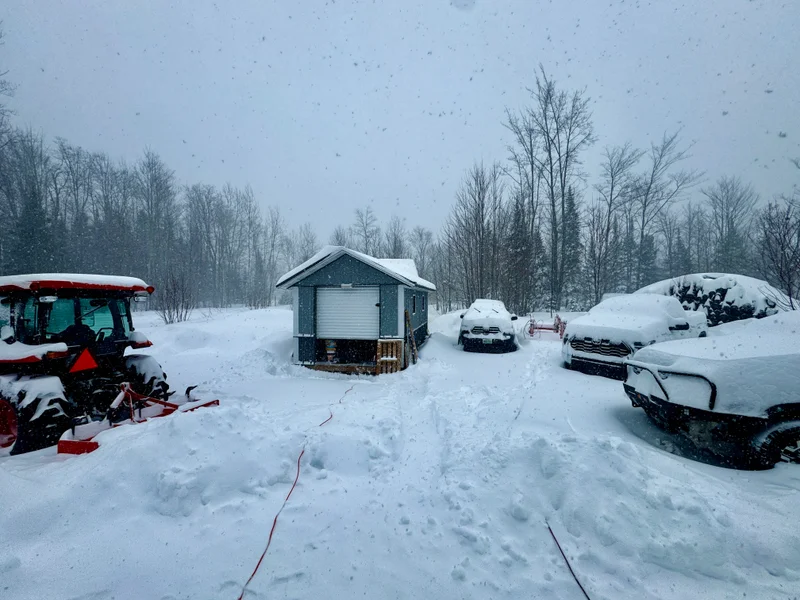
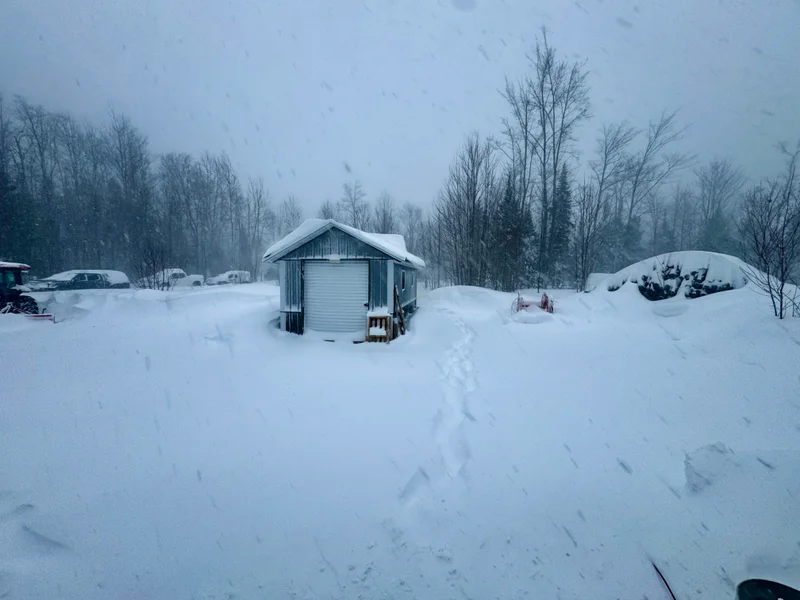
From March 13–16, a major Upper Peninsula storm moved through with blizzard conditions. Nearby reports ranged from about 20 to over 30 inches of snow, with strong winds turning it into a drifting and visibility problem. Once it was clear what we were dealing with, we did a quick check:
- ~7 gallons of gasoline for the generator
- ~15 gallons of diesel for the tractor
- ~200+ pounds of propane for secondary heat and cooking
- ~10 gallons drinking water, ~25 gallons wash water
- Freezer stocked with beef, plus other stored food
Staying Ahead of the Snow
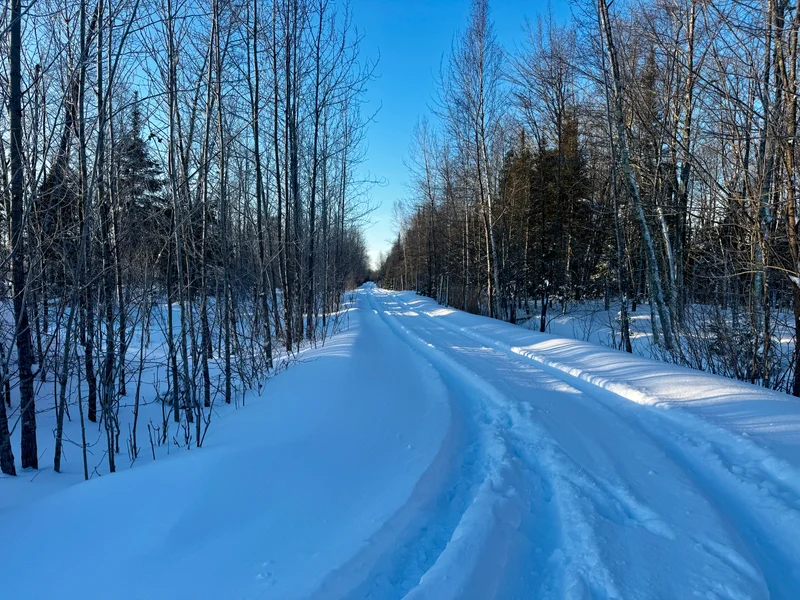
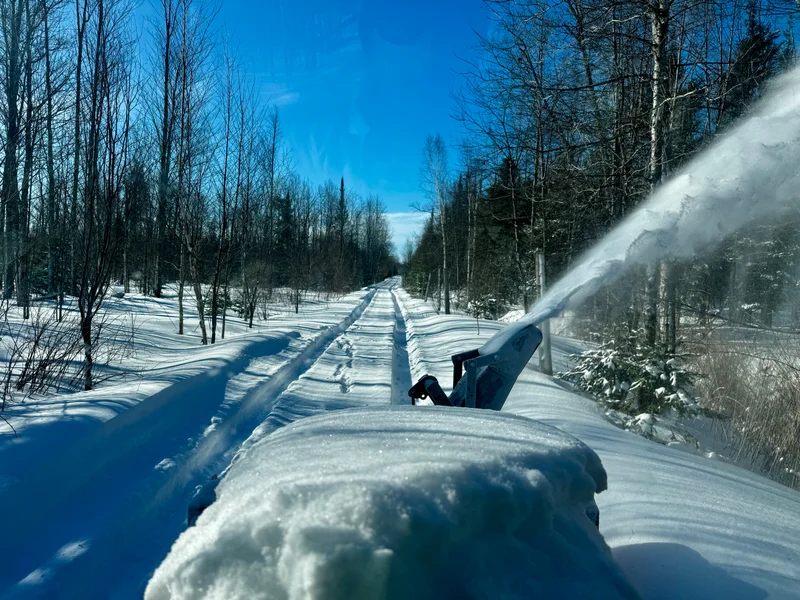
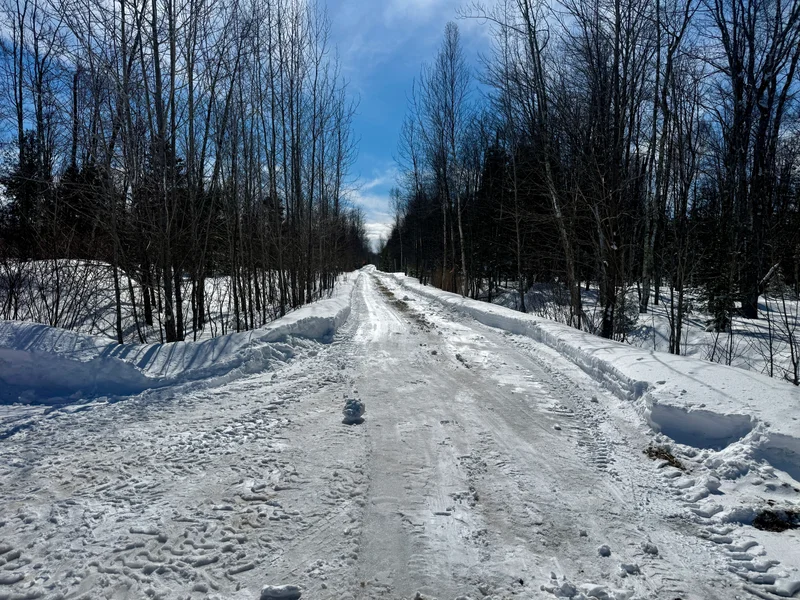
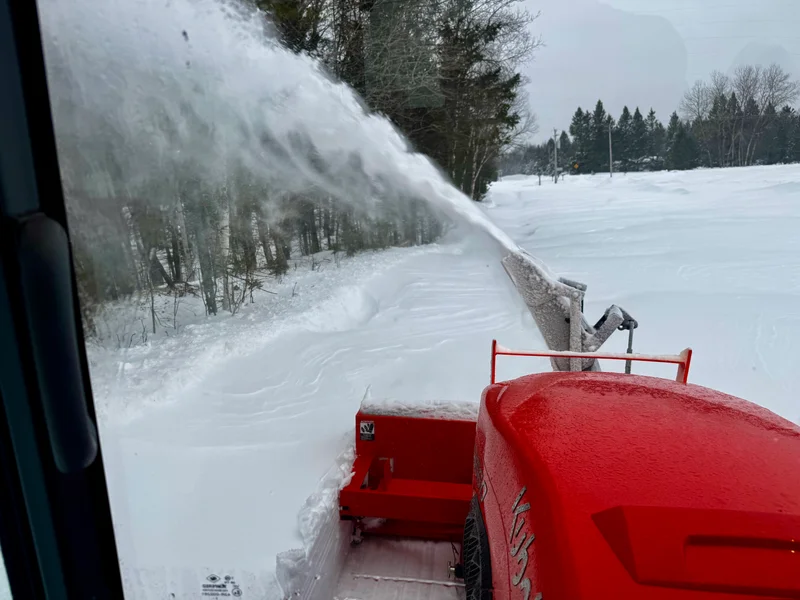
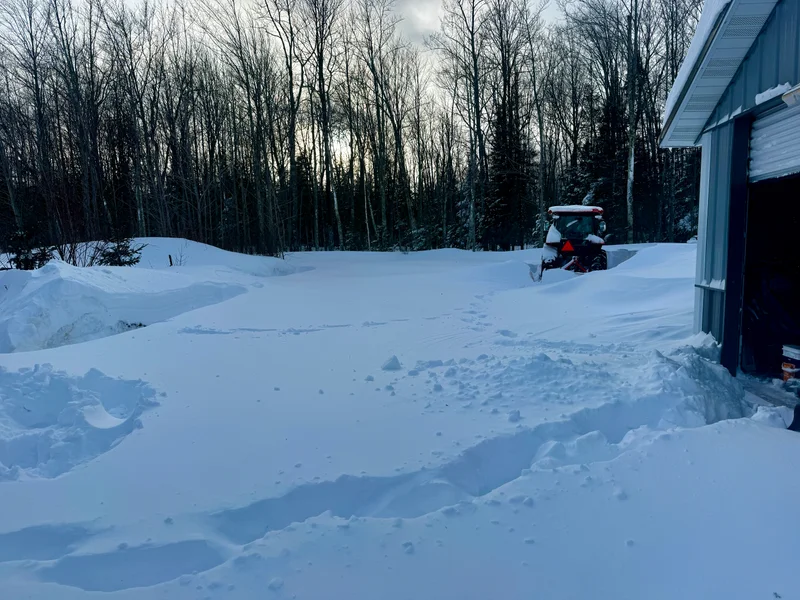
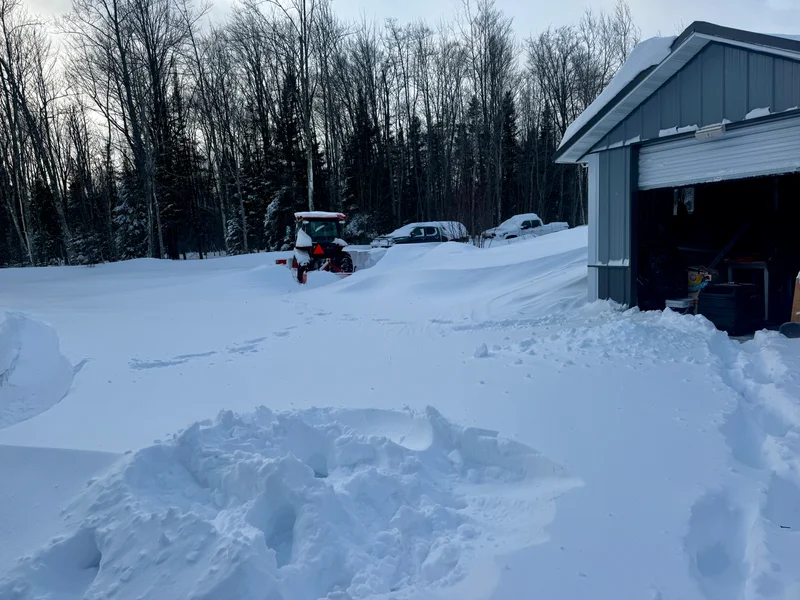
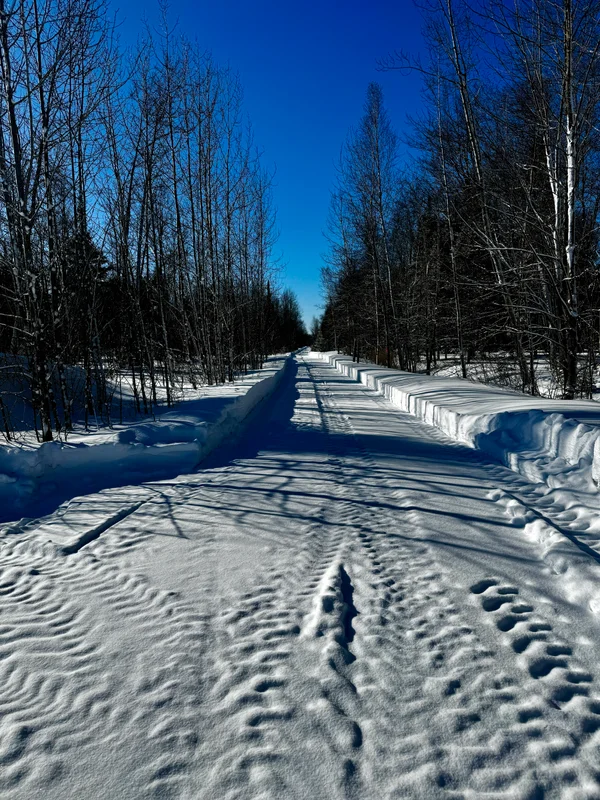
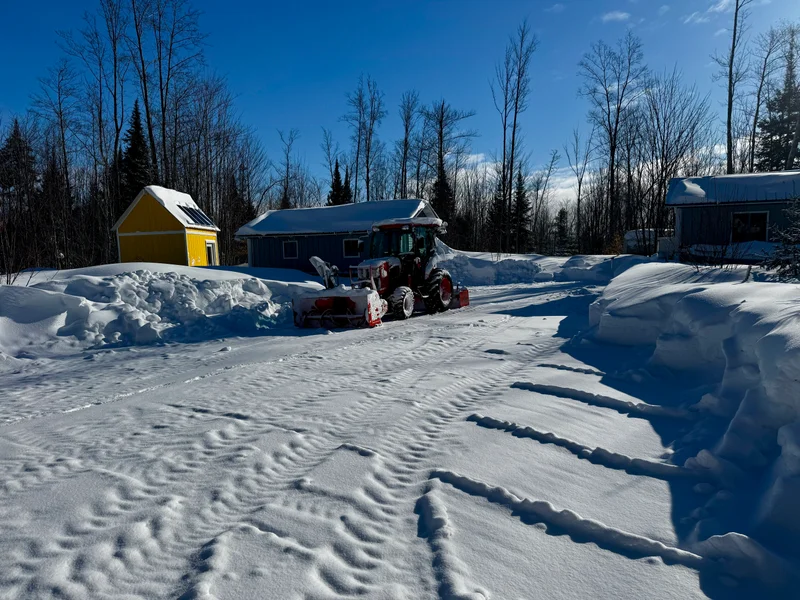
The approach was to clear the road often so the snow never got too deep. Our part of the road is 0.6 miles long, and I ran the 72-inch snowblower on my tractor three separate times during the storm. One of those sessions was five hours in the seat, going back and forth, to stay ahead of accumulation. If the snow had built up past what the blower could handle, we could’ve been dealing with something much harder, possibly getting stuck in our own driveway. So instead, we spent more total effort to keep the accumlation manageable.
Where the System Gets Tested
The real friction didn’t come from inside our system. It came from where our system meets someone else’s. At one point, we had our entire road cleared and were ready to go—but the county hadn’t plowed the main road yet. We were prepared, but still had to wait another day to get out. That’s part of it. You can control your system, but not the boundaries around it.
Water: Stretching What We Had
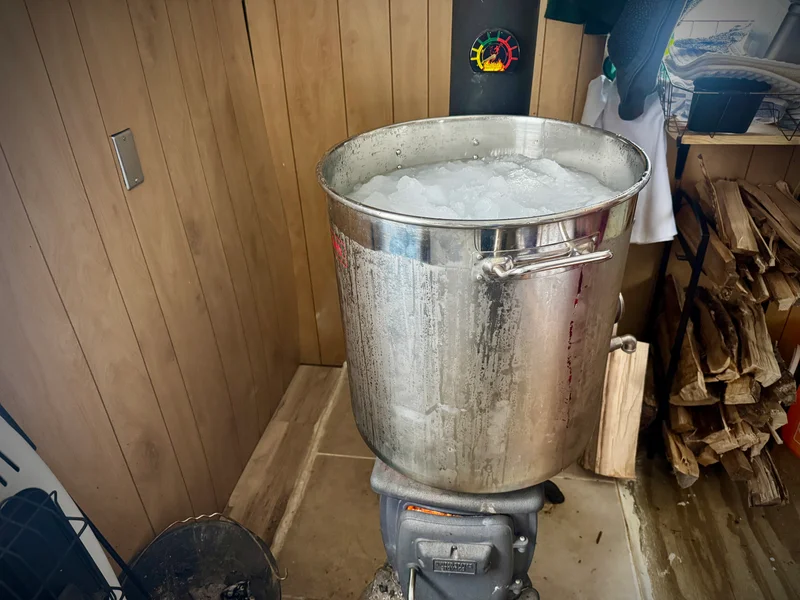
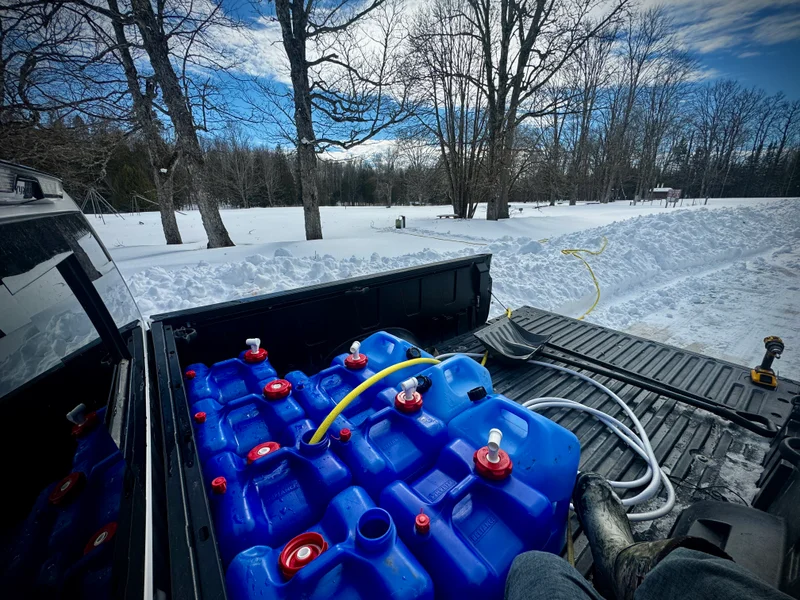
Water got tight faster than anything else. Our usual system is filling containers at the Dutch Mill spring, but access was limited right after the storm. The pull-out wasn’t plowed, the road was a tight one lane, and a kinked hose made the setup unusable. So we shifted. We came home and started melting snow using a 20-gallon stock pot on the woodstove. I’d bring buckets of snow from outside, hand them in through the door, and Lou would load the pot inside. The woodstove was already running to heat the cabin, and we used that same heat to melt snow into water. It let one task serve two purposes without using extra resources. That gave us a way to stretch water for several days without needing immediate access to the spring.
Switching Between Systems
One of the biggest advantages we have is not relying on a single way of doing things. In the mornings, we used the woodstove. It builds heat slowly, holds it longer, and gives the cabin some thermal stability. In the evenings, especially for showers, we use the propane heater. It heats the cabin quickly, and once we’re done, we shut it off and let things cool for sleep. Same with water, same with power. We’re always asking: what’s the best tool for this moment?
Power: Useful, But Not Always Necessary
We ran the generator sparingly and used less than 3 gallons of gas over the four days. A couple of times, we shut the power off completely and just snuggled down in the cabin with the cats while the storm moved through. Electricity plays an important role, but it isn’t always essential in the moment. The real need comes from specific systems like the chest freezer and phone charging. That’s why we treat power as something to manage carefully instead of something we can assume is always available.
What Actually Matters
This storm made the priorities pretty clear:
- Non-negotiable: heat, shelter, drinking water, protecting stored food
- Flexible: wash water, cooking methods, daily routines
- Convenience: internet, long showers, air filtration
Once you see those layers clearly, decisions get clearer.
Fuel and Equipment
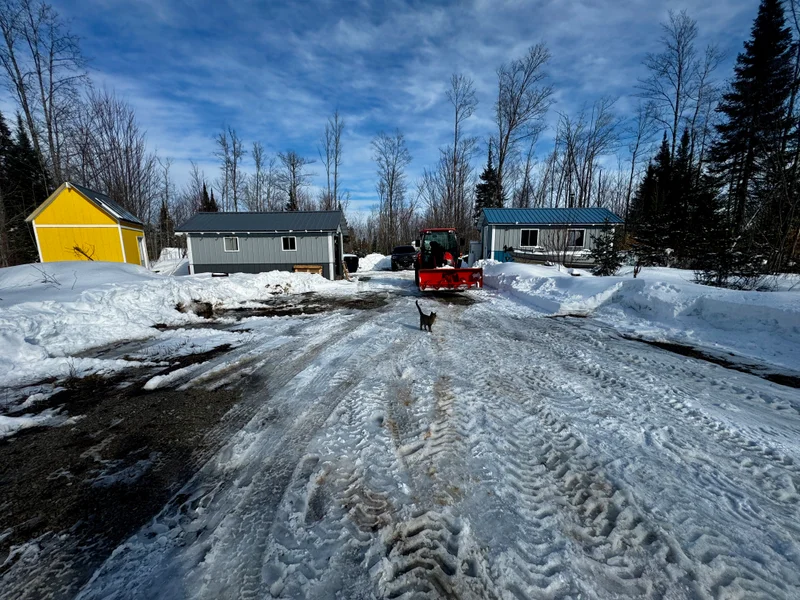
The tractor made a big difference. What would have been an overwhelming job with a push snowblower became manageable with the right tool. But it’s not just about having the equipment—it’s about supporting it. We had about 15 gallons of diesel going in, and that was enough, but tighter than I’d like. After thre passes on the road we were down to about half a tank. That’s something we’ll adjust going forward.
Redundancy Isn’t Optional
A couple of weeks before this storm, our main generator didn’t start. Having a backup meant it didn’t matter. That idea keeps showing up: two is one, one is none. It’s not about having a generator. It’s about having a second way to solve the same problem—or being willing to go without for a period of time.
When It Was at Its Worst
At the height of the storm, the wind was loud, pushing through the trees, moving snow faster than it could settle. But inside, it was quiet. We shut things down, stayed warm, and rode it out. That contrast—between what’s happening outside and what you’ve built inside is the whole point of doing this.
Looking Back
We didn’t get through this because of one thing. It was a combination of having the right tools, having backups, and being willing to adjust day by day. The storm didn’t really change how we live. It just made everything more obvious. If anything, it reinforced a simple idea:
Be prepared every day, not just when something goes wrong.